
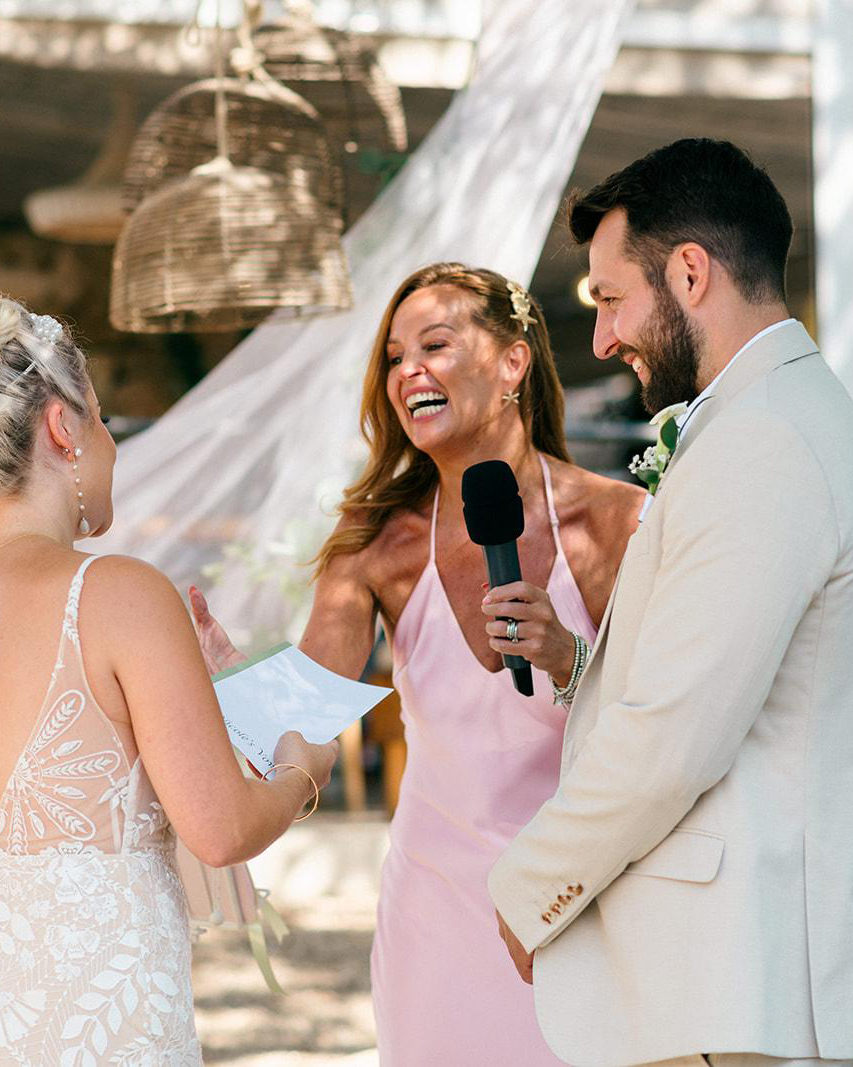
What is a Naming Ceremony?
A naming ceremony is a celebration that formally introduces your child to your community and declares the name you've chosen for them. It's an opportunity to express your hopes and dreams for your child's future, to appoint special people as guide parents (similar to godparents), and to create a sense of belonging for your little one.
These ceremonies are completely flexible – they can be as formal or informal as you like, held anywhere you choose, and include whatever traditions feel right for your family. There's no set structure, which means you have complete freedom to create something truly unique.
Choosing Guide Parents
One of the most significant elements of a naming ceremony is selecting guide parents for your child. These are people you trust to play an important role in your child's life – mentors, supporters, and positive influences as they grow.
Who Should You Choose?
Unlike godparents in religious ceremonies, guide parents don't need to meet any specific religious requirements. Choose people who:
- Share your values and will model the qualities you hope to see in your child
- Will maintain a genuine relationship with your child throughout their life
- You trust to provide love, support, and guidance
- Would step up if you needed them to take a more active role
You can choose family members, close friends, or a mix of both. There's no set number – some families choose one guide parent, others choose six or more. Think about who will truly be present in your child's life, not just who you feel obligated to include.
Guide Parent Promises
During the ceremony, guide parents typically make promises to your child. These might include:
- To be a positive influence and role model
- To spend quality time together and create special memories
- To offer guidance, support, and a listening ear
- To celebrate achievements and provide comfort during challenges
- To help keep alive family stories and traditions
These promises can be personalised to reflect what matters most to your family and the unique role you envision for each guide parent.
Meaningful Ceremony Traditions
Here are some beautiful traditions you might incorporate into your naming ceremony:
Certificate Signing
Many families create a special naming ceremony certificate that's signed by parents, guide parents, and sometimes guests. This becomes a treasured keepsake you can frame and display. The certificate typically includes your child's name, the date, location, and the names of everyone who played a special role in the ceremony.
Candle Lighting
Each guide parent might light a candle as they make their promises, symbolizing the light they'll bring to your child's life. These candles can then be used to light one central candle representing your child, showing how they'll be surrounded by love and support.
Tree Planting
Plant a tree in honour of your child, symbolizing growth, strength, and putting down roots. As your child grows, so does their tree. This creates a living connection to their naming day that they can visit and tend throughout their life. Choose a tree that's native to your area and will thrive in your climate.
Time Capsule
Create a time capsule during the ceremony with items representing the day – perhaps the ceremony program, photos, a newspaper from that date, letters from guide parents to your child, and small mementos. Seal it to be opened on a significant birthday, like their 18th or 21st.
Wishes and Blessings
Invite guests to share their hopes, wishes, or blessings for your child. This can be done as readings during the ceremony, or you might provide cards for guests to write their wishes, which you can collect in a special book for your child to read when they're older.
Rose Ceremony
Guide parents or family members can each present a rose to your child (held by you or placed in a vase), with each rose representing a quality or wish they have for your little one – perhaps kindness, courage, joy, or wisdom. The bouquet becomes a symbol of all the love surrounding your child.
Promise Box
Create a beautiful box where guide parents can place written promises or advice for your child. These can be opened and read on future birthdays or during significant life moments, creating an ongoing connection to their naming day.
Sand Ceremony
Parents and guide parents can pour different coloured sand into a vessel, creating a layered design that represents everyone's unique contribution to your child's life. This works particularly well for larger groups of guide parents.
Including Older Siblings
If you have older children, involving them meaningfully in the ceremony is important. They might:
- Make their own promises to their new sibling
- Present a special gift to the baby
- Help with symbolic actions like tree planting or candle lighting
- Share what they're excited about in being a big brother or sister
Including siblings helps them feel special and reinforces their important role in their new sibling's life.
honouring Family and Cultural Heritage
A naming ceremony is a perfect opportunity to celebrate your family's heritage and pass down traditions:
Name Story
Share the story behind your child's name. Did you name them after a beloved family member? Does their name have special meaning in your culture or language? This storytelling creates connection to family history and cultural identity.
Cultural Traditions
Incorporate meaningful traditions from your culture. This might include specific blessings, symbolic gifts, traditional music or readings, or ritual objects that hold cultural significance. If you and your partner come from different backgrounds, weaving both traditions together creates a beautiful representation of your child's heritage.
Family Heirlooms
Include meaningful family items in the ceremony – perhaps a blanket or shawl that's been used for generations, a piece of jewelry to be presented to your child, or objects that represent your family's story.
Planning Your Ceremony
Timing
There's no set timeframe for when to hold a naming ceremony. Many families wait until their baby is a few months old so the little one is a bit more settled, but some hold ceremonies within weeks of birth, while others wait until their child is a year old or even older. Choose a time that works for your family.
Location
Your naming ceremony can be held anywhere meaningful to you:
- Your home (intimate and personal)
- A garden or outdoor space (beautiful for nature-themed ceremonies)
- A hired venue (if you're planning a larger celebration)
- A place significant to your family (perhaps where you got married)
Guest List
Decide whether you want an intimate gathering of close family and guide parents, or a larger celebration including extended family and friends. There's no right or wrong size – choose what feels comfortable for you and fits the tone you want to create.
Celebration After
Many families follow the ceremony with a celebration – perhaps a meal, afternoon tea, or casual gathering. This gives guests a chance to spend time with your little one and celebrate together. The celebration can be as simple as cake and refreshments or as elaborate as a full party.
Writing Your Parental Promises
One of the most moving parts of a naming ceremony is when parents make promises to their child. These might include commitments to:
- Provide love, security, and support
- Encourage them to be themselves
- Give them roots and wings – grounding and freedom
- Support their dreams and help them develop their talents
- Teach them kindness, respect, and integrity
- Create a home full of laughter and learning
- Be there through all of life's ups and downs
Your promises should reflect your values and what you genuinely want for your child. Speak from the heart about the kind of parent you aspire to be and the kind of life you hope to create for your family.
Making It Age-Appropriate
If you're holding a naming ceremony for an older child (perhaps you're adopting, or you simply didn't have a ceremony when they were a baby), you can adapt the traditions to suit their age:
- Let them choose some elements of the ceremony
- Allow them to make their own promises or share their feelings
- Include activities that feel appropriate for their developmental stage
- Frame it as a celebration of who they are becoming, not just welcoming a baby
Creating Lasting Memories
Consider these ways to capture and preserve memories from the day:
- Hire a photographer or designate someone to take photos
- Record the ceremony (especially your promises and readings)
- Create a memory book where guests can write messages
- Save copies of any readings or poems used
- Preserve the ceremony certificate, candles, or other symbolic items
The Beauty of Freedom
The most wonderful thing about naming ceremonies is that they can be whatever you want them to be. There are no rules to follow, no traditions you must include, and no right or wrong way to celebrate. This freedom allows you to create a ceremony that perfectly reflects your family's values, beliefs, and the unique person you're welcoming.
Focus on what feels meaningful to you. If something doesn't resonate, leave it out. If you have a creative idea that's entirely unique to your family, include it. The ceremony should feel authentic and joyful, not like you're following someone else's script.
Final Thoughts
A naming ceremony is a beautiful way to celebrate your child and the community of love surrounding them. It creates a meaningful moment in time that your family will remember forever. Years from now, you'll look back on the day you formally named your child and introduced them to the people who matter most, and you'll treasure those memories.
Whether you choose traditional elements, create entirely new traditions, or blend different cultural practices, your naming ceremony will be perfect because it comes from your heart and celebrates your unique family.
Ready to Create Your Naming Ceremony?
I'd be honoured to help you design a naming ceremony that celebrates your child and reflects your family's unique story and values.
Get in Touch