
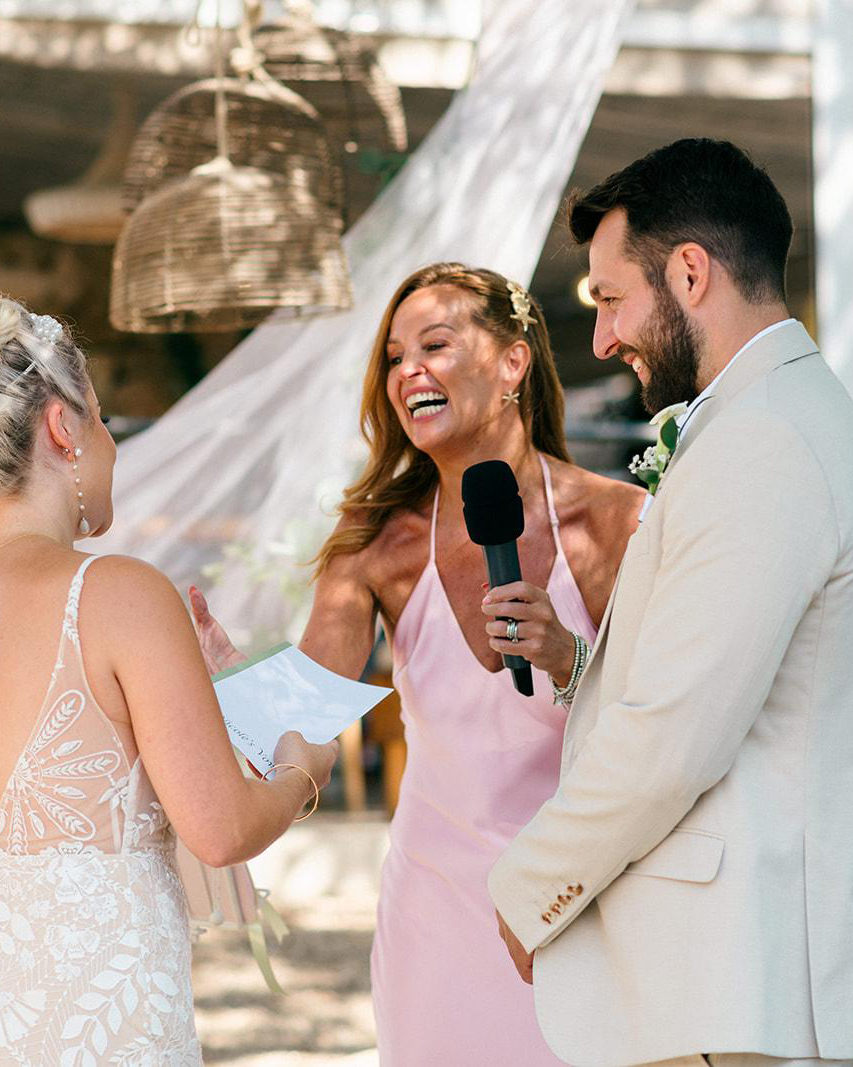
Writing your wedding vows can feel overwhelming. How do you capture years of love, laughter, and shared experiences in just a few words? The good news is that your vows don't need to be perfect – they just need to be genuine. Here's a simple, step-by-step guide to help you craft vows that truly represent your love story.
Start With Reflection
Before you put pen to paper, take some time to reflect on your relationship. Think about what makes your partner special, the moments that defined your journey together, and the promises you want to make for your future. Jot down notes as memories and feelings come to you – these will become the foundation of your vows.
Consider these questions:
- What do you love most about your partner?
- What moment did you know they were "the one"?
- What challenges have you overcome together?
- What are you most excited about for your future together?
- What promises do you want to make to them?
Decide on Your Style
There's no single "right" way to write wedding vows. Some couples prefer heartfelt and emotional vows that bring tears to everyone's eyes. Others incorporate humor and inside jokes that showcase their unique relationship. Most vows strike a balance between the two.
Talk to your partner about the tone you both want to set. While your vows don't need to be identical, having a similar style helps create a cohesive ceremony. If one person writes a three-minute romantic poem and the other cracks jokes for thirty seconds, it might feel a bit awkward!
Create a Simple Structure
A good structure for wedding vows typically includes:
1. An Opening Statement
Start with a declaration of your love or gratitude. This sets the tone for everything that follows.
Example: "Sarah, standing here today, I am overwhelmed with gratitude that I get to spend my life with you."
2. Acknowledgment of Your Journey
Share what you love about your partner or recall meaningful moments from your relationship. This is where your personal touches shine through.
Example: "From that first coffee date where you laughed at all my terrible jokes, to the way you hold my hand during scary movies, you've shown me what true partnership means."
3. Your Promises
This is the heart of your vows – the commitments you're making for your future together. Be specific and genuine.
Example: "I promise to always make you laugh, even on the hardest days. I promise to support your dreams, to listen without judgment, and to love you more fiercely with each passing year."
4. A Closing Statement
End with a final declaration of love or commitment that brings your vows full circle.
Example: "I choose you today and every day, for the rest of my life."
Practical Writing Tips
Keep Them Concise
Aim for one to two minutes when spoken aloud (roughly 150-300 words). This is long enough to be meaningful but short enough to remember and deliver without overwhelming emotion getting in the way.
Write How You Speak
Your vows should sound like you, not a poetry textbook. Use language that feels natural and authentic to your voice. If you don't normally use flowery language, don't start on your wedding day!
Be Specific
Instead of generic statements like "I love your kindness," try something more personal like "I love how you always stop to pet every dog we pass, even when we're running late." Specific details make your vows uniquely yours.
Balance the Personal and the Universal
While inside jokes can be wonderful, make sure your guests can connect with your vows too. Strike a balance between deeply personal moments and sentiments everyone can appreciate.
Practice, Practice, Practice
Read your vows out loud multiple times before the wedding. This helps you get comfortable with the words and identifies any awkward phrasing. Practice will also help you get through them on the day, even if emotions run high.
Common Pitfalls to Avoid
Don't Wait Until the Last Minute
Give yourself at least a month to write and refine your vows. This allows time to sit with them, make edits, and practice delivery.
Don't Compare Your Vows to Others
It's tempting to look at examples online (and we've included some structure here!), but remember that the most powerful vows are the ones that come from your heart. Use examples as inspiration, not as templates to copy.
Don't Make Promises You Can't Keep
Be realistic about the commitments you're making. Promising to "never argue" isn't achievable, but promising to "work through disagreements with patience and love" absolutely is.
Don't Forget a Backup Plan
Even if you plan to memorize your vows, bring a printed copy as a safety net. Nerves can make even the most prepared person draw a blank!
Final Thoughts
Remember, there's no such thing as "perfect" vows – only vows that are perfectly you. The most important thing is that your words come from the heart and reflect the unique love you share with your partner.
If you're feeling stuck or overwhelmed, that's completely normal! As your celebrant, I'm here to help guide you through the process. Many couples find it helpful to bounce ideas off someone who's heard hundreds of vows and can offer gentle guidance while keeping your authentic voice front and centre.
Your wedding vows are more than just words – they're the foundation of the commitment you're making to each other. Take your time, speak from your heart, and trust that whatever you create will be beautiful because it's genuine.
Need Help Crafting Your Perfect Ceremony?
I'd love to help you create a wedding ceremony that's as unique as your love story, including guidance on writing vows that truly reflect your relationship.
Get in Touch